‘Build your networks’ – Research leaders share leadership lessons with Future Africa fellows
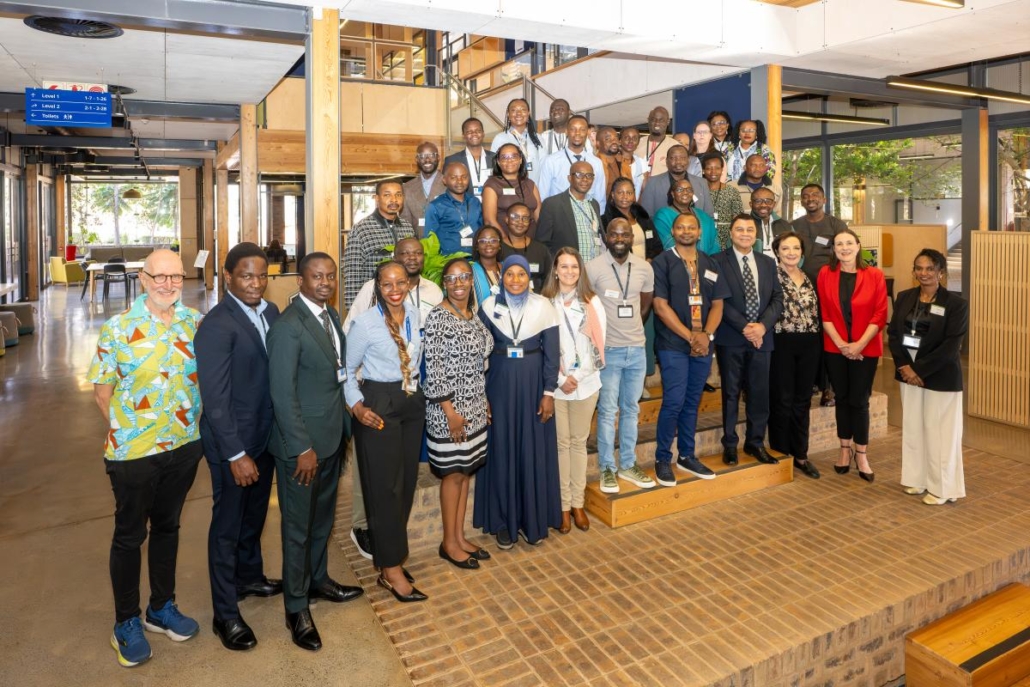
Twenty-two fellows from the second cohort of the Future Africa Research Leadership Fellowship (FAR-LeaF) gathered at Future Africa at the University of Pretoria (UP) from 24–28 August 2026 for the final workshop of their two-year programme. The workshop followed a two-day writing retreat for ten alumni from the fellowship’s first cohort.
The fellows come from ten African countries – Nigeria, Ghana, Ethiopia, Kenya, South Africa, Tanzania, Botswana, Malawi, Benin and Zimbabwe – and were selected from 500 applications. Over the course of the fellowship, they have been developing their research while building the skills, networks and experience needed to grow as research leaders.
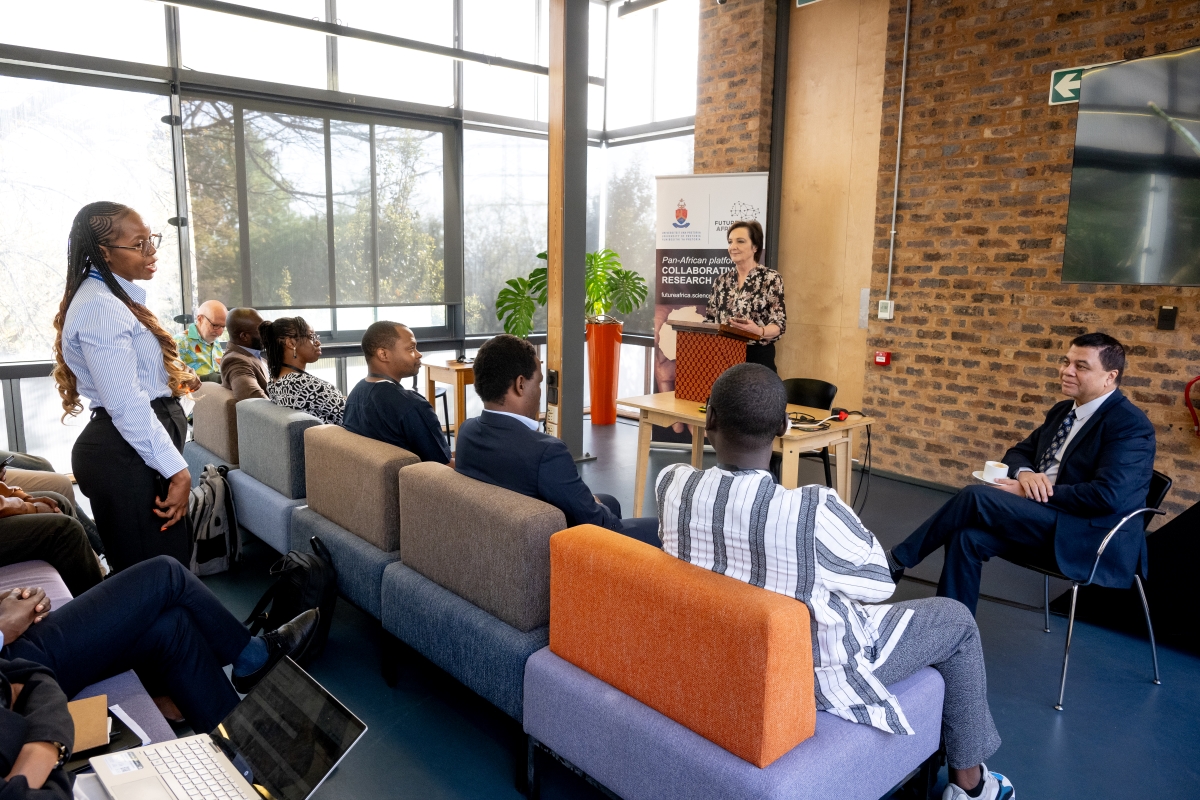
Professor Francis Petersen, Vice-Chancellor and Principal of the University of Pretoria, opened the five-day workshop, which included presentations, discussions and conversations on different aspects of research and research leadership.
Prof Wanda Markotter, Interim Director of Future Africa, welcomed the fellows and encouraged them to use the programme to build partnerships across disciplines and countries. She also pointed to opportunities for fellows to connect with transdisciplinary research underway through Future Africa and its networks.
Throughout the week, academics and research leaders drew on their own careers to share practical lessons with the fellows.
Prof Leslie Swartz, Professor of Psychology at Stellenbosch University and Editor-in-Chief of the South African Journal of Science, focused on academic publishing. He encouraged fellows to keep writing, make time for it, seek feedback and use reviewer comments to improve their work.
Prof Tiaan de Jager, Director of the UP Institute for Sustainable Malaria Control, spoke about academic leadership. He stressed that researchers do not need a formal title to lead and highlighted the importance of self-leadership, critical thinking, creativity and social intelligence.
Setbacks were also part of the conversation.
Prof Roula Inglesi-Lotz, Professor in UP’s Department of Economics and holder of the Bilateral SARChI Research Chair in Just Energy Transition, spoke about rejection and failure as a normal part of an academic career. She also highlighted the importance of work-life balance and taking time to celebrate successes.
Prof Nelishia Pillay, Professor in UP’s Department of Computer Science and holder of the DSI-NRF SARChI Chair in Artificial Intelligence for Sustainable Development, encouraged fellows not to compare their careers with those of others. She also spoke about the value of having people around who provide support along the way.
Mentorship and networks were another recurring theme.
Prof Tafadzwanashe Mabhaudhi, Future Africa Research Chair in Climate, Water and Food Nexus, reflected on the mentors who challenged him at different stages of his career, from aiming for higher-quality academic journals to writing for audiences beyond academia. He encouraged young researchers to build networks, partnerships and relationships with mentors.
Dr Taneshka Kruger, Senior Research Officer in UP’s School of Health Systems and Public Health and Project Manager of the UP Institute for Sustainable Malaria Control, turned the conversation to science communication. Drawing on approaches including music, drama, art, virtual reality and storytelling, she showed how researchers can make complex science more relevant and accessible to different audiences.
Prof Sioux McKenna, Professor of Higher Education Research at Rhodes University, encouraged fellows to look beyond their own disciplines, use opportunities to build networks and think about the values that guide them as researchers. She also stressed the role of teams in building successful research.
These were some of the academics who engaged with the fellows during a wider programme that explored topics including education, gender, technology, climate resilience and food security.
The FAR-LeaF II workshop followed a two-day writing workshop from 22–23 August for ten alumni from the first FAR-LeaF cohort, which ran from 2022 to 2024.
The alumni are contributing to an edited book on transformative research for a transformed continent, drawing on practical examples and issues specific to the African research ecosystem.
Bringing the two cohorts together also gave fellows and alumni time to exchange experiences and continue building connections across the FAR-LeaF network.
The workshop concluded with a session presented by Prof Stephanie Burton, the programme leader, who reminded fellows to stay focused on their development goals, be intentional and remain inspired.