You are here: Home1 / Challenge Domains2 / One Health3 / One Health research and capacity building across three regions
One Health research and capacity building across three regions
The Future Africa Research Chair in Health, People and Places (One Health), led by Professor Wanda Markotter, continues to advance One Health research and capacity development across Africa and globally. Recent work has taken the Chair to Mozambique, Guinea and New Zealand, covering wildlife surveillance and diagnostics, One Health implementation, and research on microbial ecology and emerging infectious diseases.
Building wildlife surveillance capacity in Mozambique
From 8–12 June 2026, a South African research team visited Mozambique to strengthen local capacity in wildlife surveillance and diagnostics.
The visit formed part of the South African Medical Research Council (SAMRC)–United Kingdom Research and Innovation (UKRI) collaboration, led in South Africa by Prof Wanda Markotter, Future Africa Research Chair in One Health and Director of the Centre for Viral Zoonoses at the University of Pretoria. The visit built on the regional One Health workshop hosted by Future Africa and the Centre for Viral Zoonoses in February 2026, translating priorities identified during the workshop into practical knowledge and skills transfer.
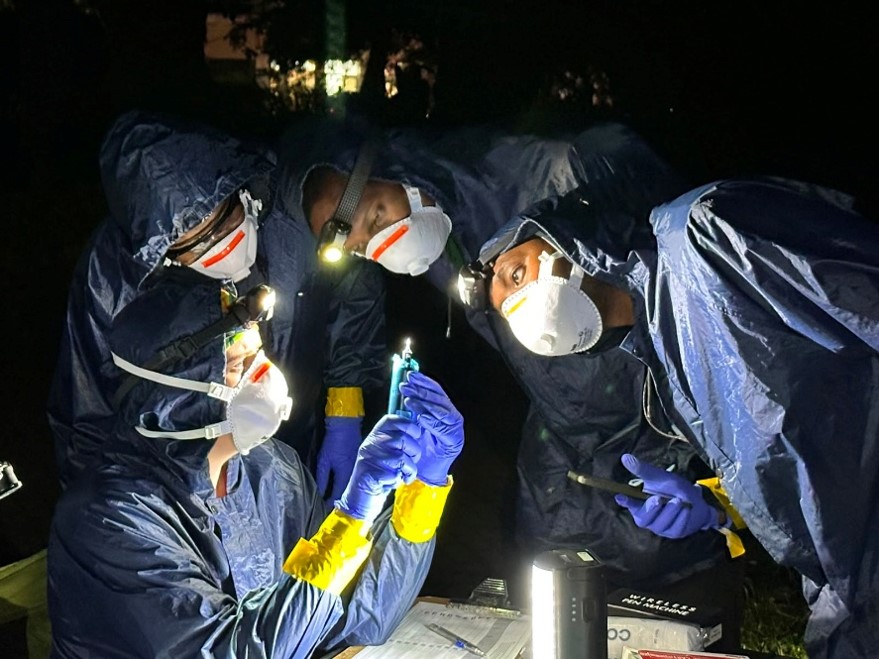
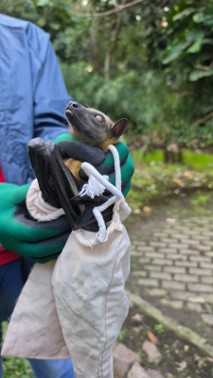
The work focused mainly on bat surveillance. The team identified suitable bat roosts for sampling and conducted bat-catching activities in botanical gardens. They also shared diagnostic skills with the Mozambican research team to support laboratory analyses locally.
This collaboration strengthens regional surveillance and diagnostic capacity, contributing to the broader SAMRC–UKRI programme’s goal of improving Africa’s capacity to prevent, detect and prepare for emerging infectious diseases and future pandemics.
Supporting One Health implementation in West and Central Africa
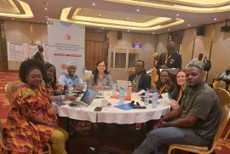
From 16–19 June 2026, Prof Markotter participated as an invited expert in a regional technical workshop in Conakry, Guinea. In her capacity as co-chair of the One Health High-Level Expert Panel (OHHLEP), she shared practical tools that countries can use to put One Health frameworks into practice.
The workshop brought together 80 participants, including representatives from 18 countries. Discussions covered One Health governance, stakeholder and resource mapping, national action plans, monitoring and evaluation, and regional collaboration. The engagement contributes to broader efforts to strengthen prevention, preparedness and coordinated responses to interconnected health threats across West and Central Africa.
Connecting microbial ecology and One Health to prevent future pandemics
Prof Wanda Markotter, Future Africa Research Chair in Health, People and Places (One Health), delivered a plenary keynote at the 20th International Symposium on Microbial Ecology (ISME20), held from 16 to 21 August 2026 in Auckland, New Zealand. Addressing approximately 1,600 delegates from around the world, Prof Markotter presented on ‘Bridging Microbial Ecology and One Health to Prevent Future Pandemics’.
Her keynote explored how understanding the interactions between microorganisms, humans, animals and the environment can strengthen preparedness for emerging infectious diseases. By integrating microbial ecology with a One Health approach, surveillance across wildlife, livestock, people and the environment can help identify high-risk pathogens and potential disease-emergence hotspots earlier.
The presentation highlighted the importance of combining ecological monitoring with genomic and other advanced technologies to strengthen early-warning systems and inform interventions. The central message was clear: connecting microbial ecology with One Health can help shift pandemic preparedness towards earlier detection and prevention of emerging disease threats.