You are here: Home1 / Challenge Domains2 / Climate, Water and Food Nexus3 / Expert Opinion: What Africa can teach the world as a Super El Niño loo...
What Africa can teach the world as a Super El Niño looms
Forecasts of a potential Super El Niño have once again drawn global attention to the growing impacts of climate change. As many parts of the world prepare for more intense droughts, floods and heatwaves, Africa’s long experience of adapting to climate extremes offers valuable lessons for building resilience.
In a recent article published by The Conversation, Professor Tafadzwa Mabhaudhi, Director of the Lancet Countdown Africa, hosted by Future Africa at the University of Pretoria, and co-author Mendy Ndlovu, Agrometeorologist and Researcher in the Sustainable and Healthy Food Systems – Southern Africa programme at the University of KwaZulu-Natal, explore five hard-won lessons from across the continent that can help inform global responses to increasingly frequent and severe climate shocks.
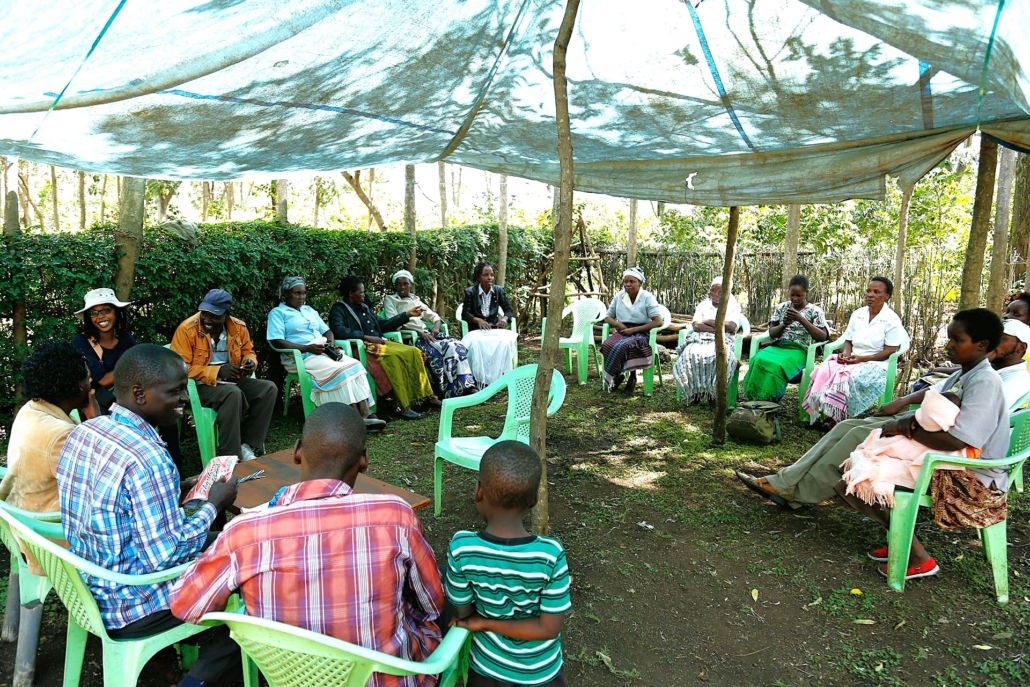
Drawing on African experience, the authors highlight how local knowledge, innovation and practical adaptation strategies are strengthening resilience in the face of climate variability. The article underscores the importance of preparedness, early warning systems, food and water security, community-led adaptation, sustained investment in climate resilience, and partnerships that support locally led solutions.
The article also challenges conventional narratives by positioning Africa not only as a region highly vulnerable to climate change, but as a source of knowledge and solutions that can inform climate action worldwide. As host of the Lancet Countdown Africa Centre, Future Africa is proud to support interdisciplinary research and African-led expertise that contributes to addressing some of the world’s most pressing global challenges.
Read the full article published by The Conversation.