News

Clear

Environmental thought in Africa cannot be separated from power and lived realities, Future Africa webinar hears

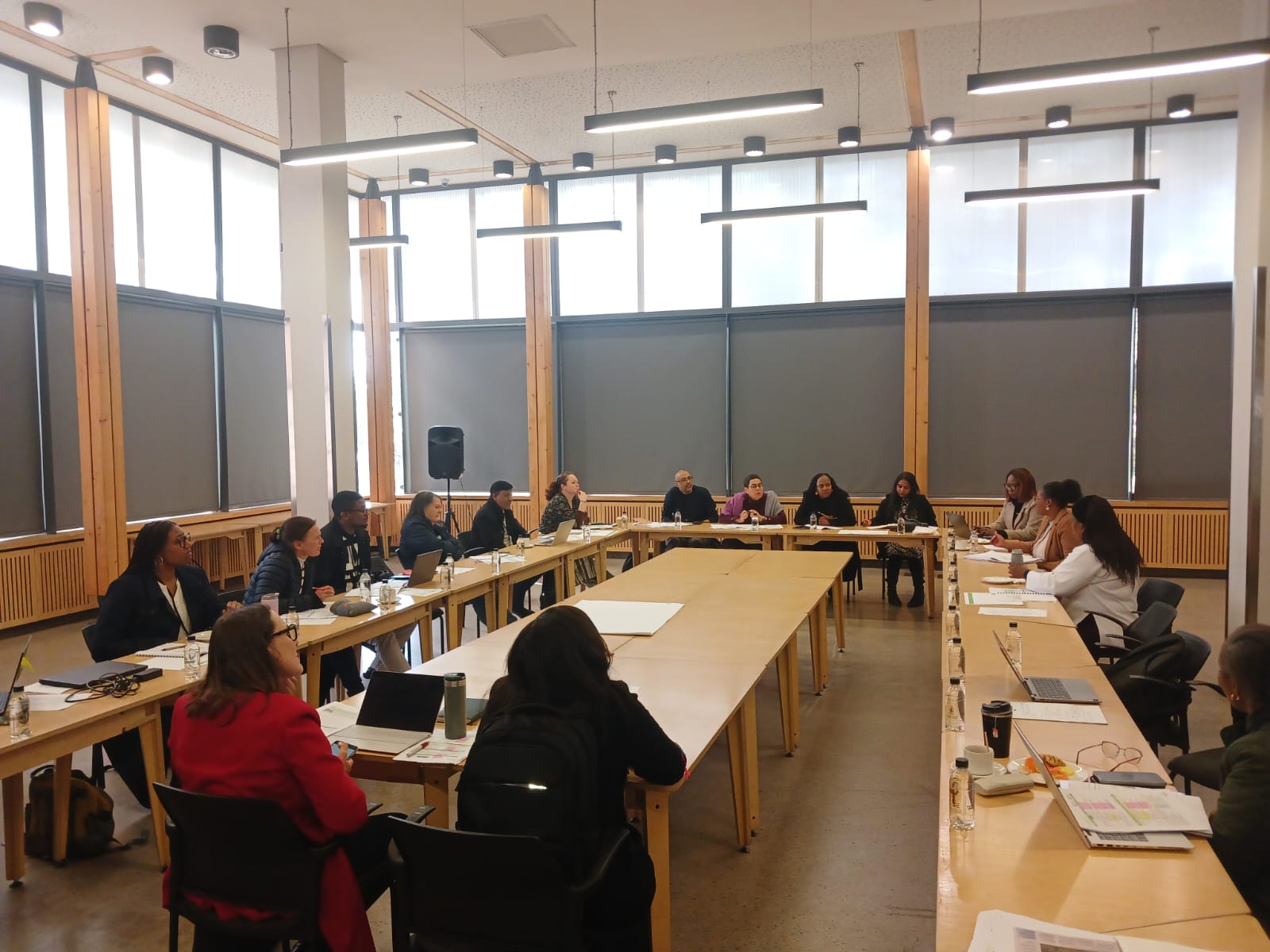
Future Africa recently hosted a webinar that explored how environmental thought in Africa is shaped by power, colonial legacies and lived realities.

WM19

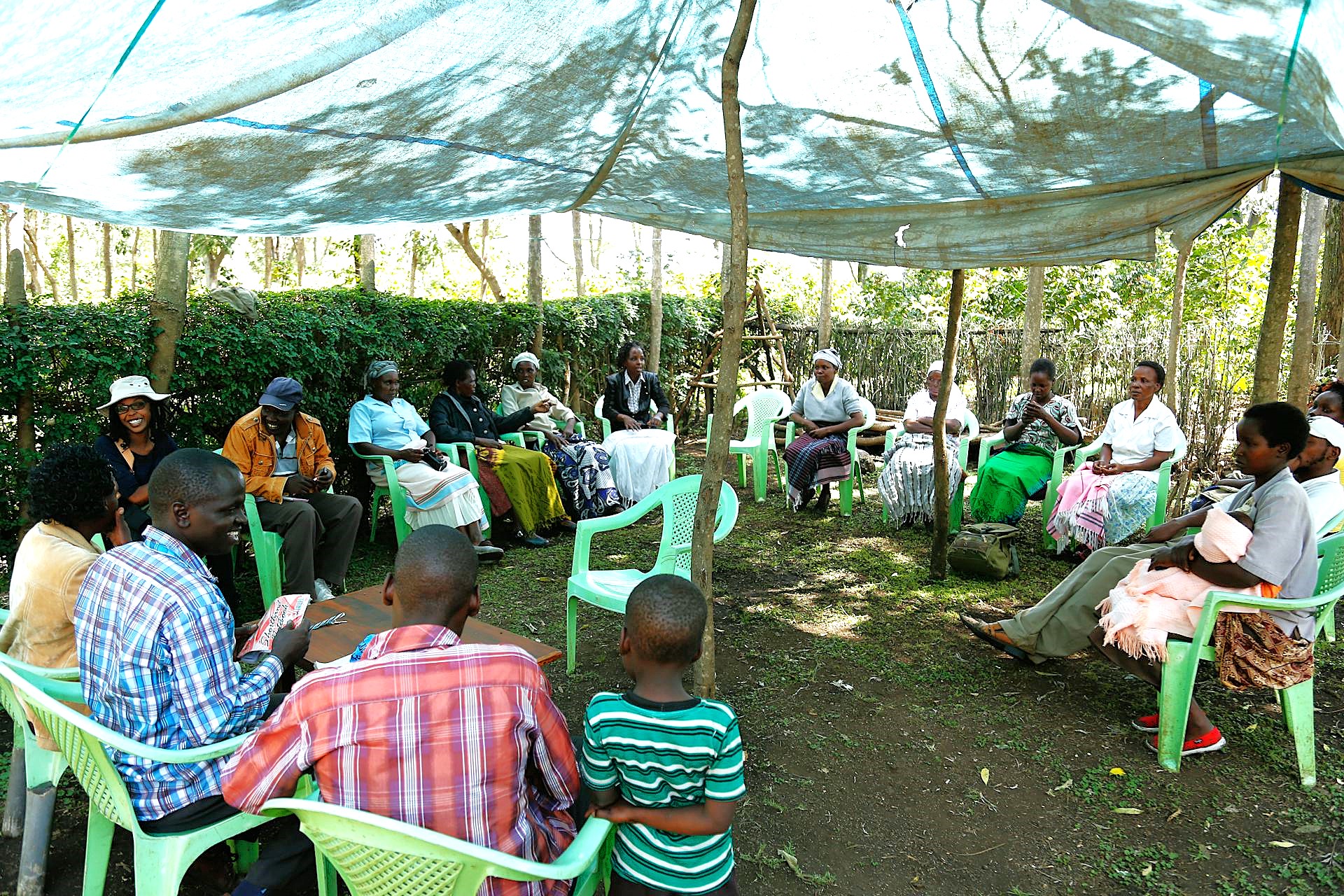
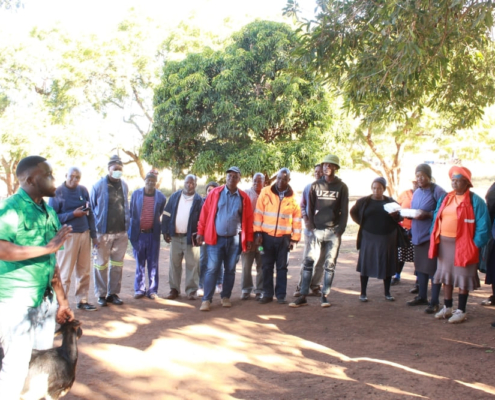
RESEARCH | Community Participation in Water and Sanitation Service Delivery

Water and sanitation access is recognised to be essential for the development of the South African economy. Despite the taunted benefits associated with public participation in the water and sanitation sector
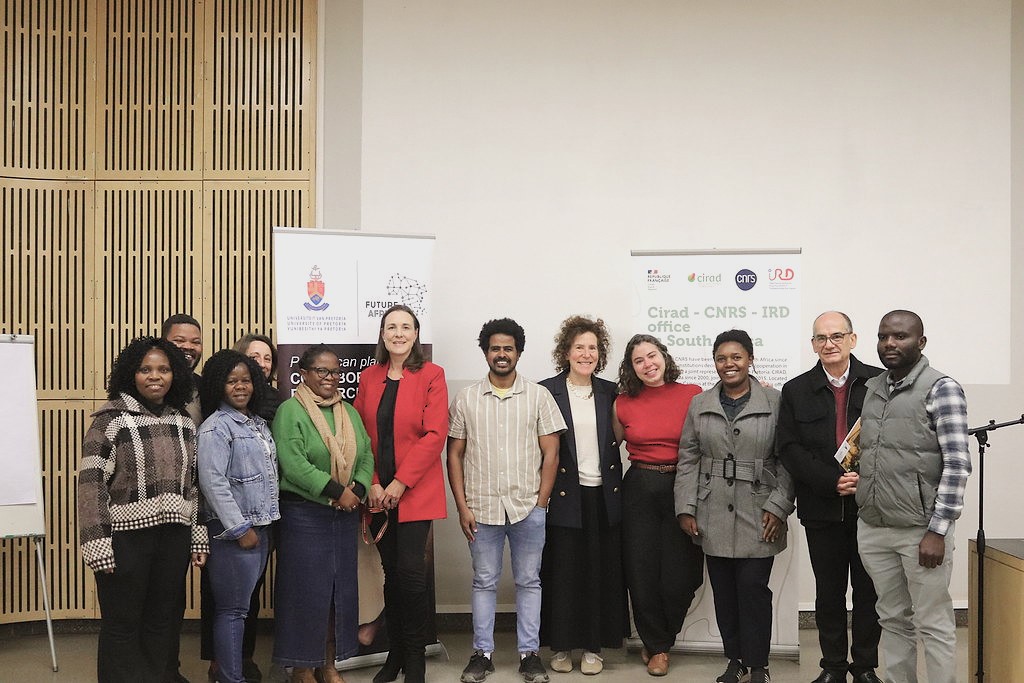
Panel discussion at UP Future Africa

‘Growing anti-intellectual sentiment could dilute universities’ impact’ – Panel discussion at UP Future Africa

A panel discussion on ‘Networking the Networks’ held at the University of Pretoria’s (UP) Future Africa Institute observed that societal distrust of intellectualism and experts is a growing trend that could dilute universities’ ability to impact the “grand challenges” of the times. The discussion was hosted by the National Research Foundation on 24 May during Africa Week 2023 and mode...
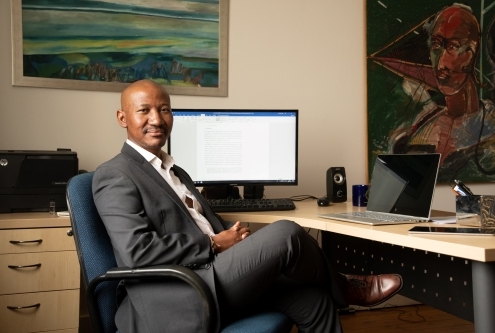
Dr-Hackmann-1Dr Heide Hackmann- Director of Future Africa and Strategic Advisor on Transdisciplinarity and Global Knowledge Networks at the University of Pretoria

Director of Future Africa joins global efforts to address climate change and sustainable development

Two experts affiliated with the University of Pretoria (UP) – Dr Heide Hackmann, Director at UP’s Future Africa Institute, and Dr Tolullah Oni, Extraordinary Professor and Chair at Innovation Africa@UP – have joined an international group of 14 experts co-convened by the United Nations Department of Economic and Social Affairs (UN DESA) and the United Nations Framework Convention on Climate ...
raimond-klavins-XJ1MBoDirlA-unsplash

Fish Barcoding and Functional Ecological Workshop

Marine and coastal fisheries contribute significantly to Africa’s economy and play significant social and nutritional roles in Sub-Saharan Africa. However, escalation of numerous pressures, including overexploitation, climate change and pollution are immensely threatening marine biodiversity and fisheries in Africa.
Emmanuel-01

FAR-LeaF Fellow Published in Three International Journals

FAR-LeaF fellow Dr Emmanuel Chukwuma ended 2022 on a high note: Three studies were published in prominent international scientific research journals.
David-01

FAR-LeaF Fellow a CCNY Outstanding Scholar

FAR-LeaF Fellow Dr David Ssekamatte was recently recognised as one of 10 outstanding scholars by Carnegie Corporation New York at the African Studies Association (ASA) annual conference 2022 held in Philadelphia in the United States.
Intersection of food security and water

Intersection of food security and water in Sub-Saharan Africa

Food security is a fundamental human right. Despite this, there are still over 800 million people around the world who need more food. Over one-third (278 million) of these people live in Africa.
Celebrating the Rich Heritage of Africa

Celebrating the Rich Heritage of Africa: Future Africa Week Kicks Off at the University of Pretoria

Pretoria, South Africa - Future Africa Week, a highly anticipated event aimed at celebrating the vibrant cultures and achievements of the African continent, has commenced with great enthusiasm at the University of Pretoria. The week-long festival, organized by the university's esteemed research hub, FutureArica, promises an immersive experience that showcases the diverse traditions, innovative res... ted its five year anniversary on 24 May 2024, highlighting its role as a pan-African research platform with Africa at its core. Highlighting contributions from global and local academics, the event was also a joint celebration to pay tribute and honour Professor Ernest Aryeetey and his work with the African Research Universities Alliance (ARUA).
sandy-millar-KhStXRVhfog-unsplash

Families in Africa: Demographic Trends and Families

The United Nations 1993 set aside 15 May yearly as an international day for commemorating families. This day provides an opportunity to promote awareness of families’ issues and increase the knowledge of the social, economic and demographic processes affecting families. Families exist everywhere in the world to bear and rear children, to care for and protect vulnerable members during childhood, ...
jen-theodore-4ZUo1sS8FyA-unsplash

Strategic Ways to Improve Climate Services in Ghana

Climate change in Ghana has caused crop failures leading to yield reduction and food insecurity in the region. Most vulnerable to this variability and change in climate are smallholder farmers.
suad-kamardeen-ItFTJoh1A8c-unsplash

Return on Education Investments

Most PhD graduates in Cameroon are unemployed, yet the demand for a PhD continuously increases. Given that education is a powerful instrument for the economic development of every country, there is a need to consider education as an instrument of monetary policy to ensure that resources devoted to education yield expected returns. Applying financial concepts in education enables policymakers to be...
sutirta-budiman-DzDSvdH43ek-unsplash

ADAPT | Extreme Heat in the Classroom

In close collaboration with diverse stakeholders, a transdisciplinary team from civil and architectural engineering, the social sciences and climate sciences are developing indicators of how extreme temperature and humidity impact low-income residents' physical and mental health. FAR-LeaF Fellow Dr Ebenezer Amankwaa has since January 2023 been disseminating preliminary findings of his research res...

Advancing transformative science
for social change