Strengthening women’s leadership in science for Africa’s future
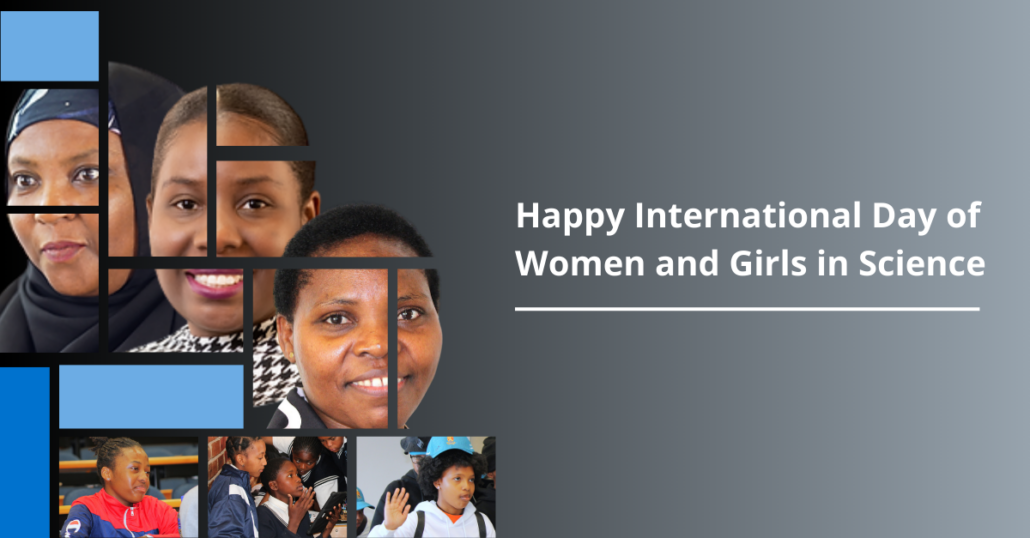
As the world marks the International Day of Women and Girls in Science on 11 February, Future Africa at the University of Pretoria joins the global community in recognising women advancing scientific knowledge and in encouraging girls to see themselves as future scientists and research leaders.
Africa’s ability to respond to complex challenges in health, food systems, climate resilience and sustainable development depends on who is enabled to lead in science. Strengthening women’s leadership within research systems is therefore not only a matter of representation. It is central to shaping Africa’s scientific and developmental future.
Despite gains in access to higher education, women remain underrepresented in science globally. UNESCO’s 2025 factsheet on the Status and Trends of Women in Science shows that women account for 35% of science graduates worldwide and only one in three researchers. For Africa, these disparities shape who defines research priorities and who leads innovation, with long-term consequences for the continent’s knowledge systems.
In commemoration of this day, three women researchers affiliated with Future Africa reflected on their experiences and the type of support systems that have shaped their journey in science.
Dr Getrude Njokwe, a Postdoctoral Fellow at Future Africa, describes her journey into science as one shaped by instability, interrupted schooling and financial uncertainty. She describes the International Day of Women and Girls in Science as one that “symbolises possibility and hope,” particularly when she considers how close she came to leaving school. Holding onto her curiosity, especially her love for mathematics, became an act of persistence. Read more: Full interview with Dr Getrude Njokwe
Dr Hauwa Mohammed Sani, Deputy Director at Ahmadu Bello University in Nigeria and an alumna of the Future Africa Research Leadership Fellowship (FAR-LeaF) programme, reflects on pursuing high-level research in environments where women’s ambition may be seen as “deviant from the norm.” Professional validation and transdisciplinary research networks strengthened her ability to lead science that engages meaningfully with society. Read more: Full interview with Dr Hauwa Mohammed Sani
Dr Tafadzwa Clementine Maramura, Associate Professor at the University of Namibia and a Research Fellow in the FAR-LeaF programme, speaks openly about imposter syndrome and questioning whether she was “good enough.” Mentorship and peer networks, she explains, were critical in amplifying her confidence and leadership in sustainability research. Read more: Full interview with Dr Tafadzwa Clementine Maramura
Together, these reflections highlight the importance of early encouragement, sustained mentorship, confidence and enabling research environments. They demonstrate that increasing participation alone is not sufficient. Recognition, supportive institutional cultures and leadership pathways that enable women to lead are essential to strengthening Africa’s scientific capacity.
For Future Africa, advancing women’s leadership in science is central to building African-led, transdisciplinary research systems that work across disciplines and engage meaningfully with society.